Otley Golf Club

Club History
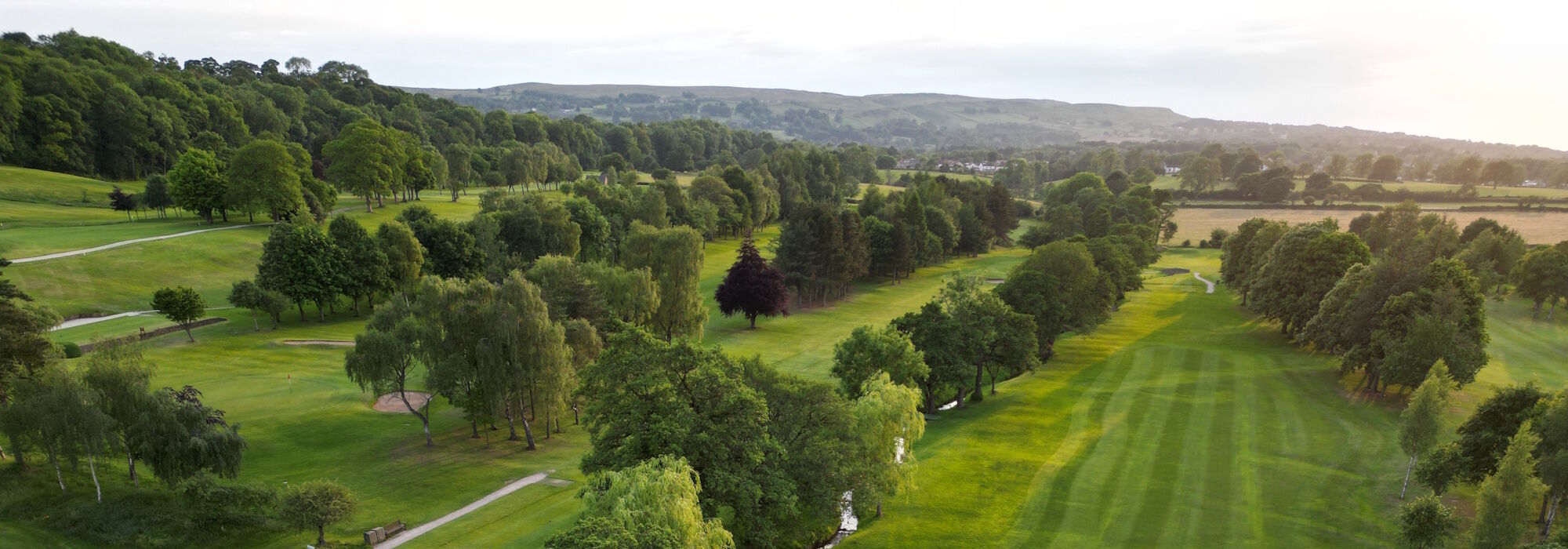
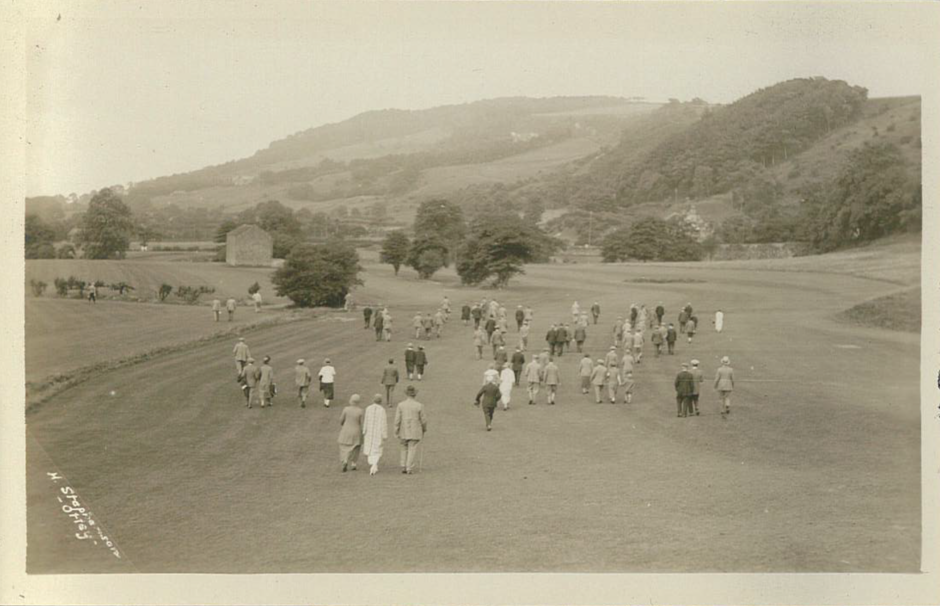
Otley Golf Club has a rich heritage stretching back over 110 years. Since the beginning, we’ve welcomed both men and women as members, and we continue to build on that legacy as an inclusive and progressive club.
Early Years: 1906–1915
The club was founded in September 1906 by Fred T. Hunter, J. E. Sharpe and Edgar Shaw. An initial membership was offered to the first 100 people at a fee of £2.10. The club quickly gained 53 male and 23 female members. Once the 100 places were filled, a joining fee was introduced.
At the time, there was no course. Land was leased from Storris Hall Farm for £100 per year. A stone near the 3rd and 5th tees remains from the original gateway to the farmyard.
In November 1906, work began on designing the course and building a clubhouse on Bradford Road, opposite what is now the 6th green. Play began in spring 1907, with the official opening held on 28 September that year.
The first AGM was held in February 1908. Fred Waite was elected as the club’s first Captain, and in 1909 he presented the Waite Challenge Cup – a men’s knockout matchplay competition still played today. That same year, the club joined the Yorkshire Union of Golf Clubs.
In 1915, the women members held their first AGM and joined the Yorkshire Union. The same year, the club successfully raised funds to purchase the land the course was built on.
Growth and Development: 1916–1939
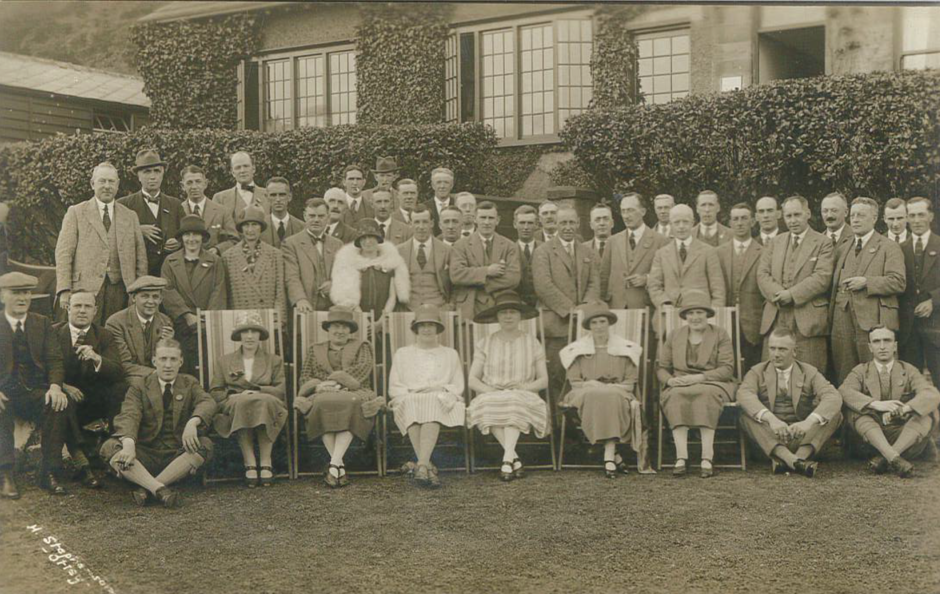
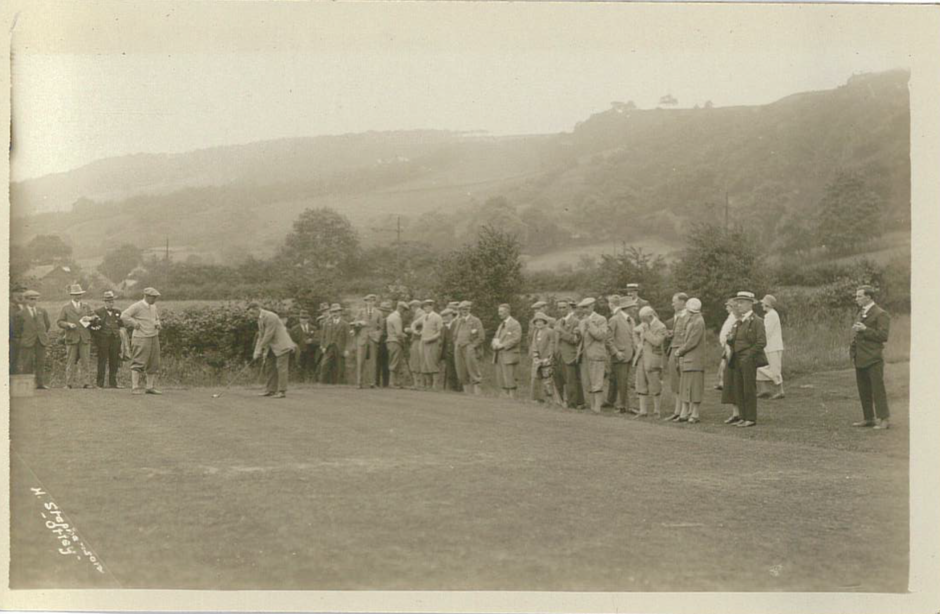
New competitions and trophies were introduced, including the Rose Bowl in 1916 and the Presidents' Cup in 1920 – still contested today.
Mrs A. R. Duncan became the club’s first President of the Women’s section in 1919. During the First World War, membership dropped and the course was temporarily reduced to 9 holes as land was repurposed for the war effort. To mark the end of the war, President T. H. Kelly presented the Victory Cup, now played as a strokeplay and matchplay format.
In the 1920s, bunkers were introduced for the first time. The women’s section grew to over 100 members and began competing on designated Tuesdays – a tradition that continues today, with women members now able to play in competitions on any day of the week. In 1926, the role of Vice Captain was introduced to support the Captain.
By the 1930s, the club transitioned from a Limited Liability Company to a member-managed club. In 1936, the clubhouse was extended and well received by both members and guests.
Wartime and Recovery: 1939–1959
During the Second World War, members helped maintain the course alongside sheep that grazed the fairways. Tranmere Nurseries provided ground staff and Bramhope Fire Service used the land for drills, often watering the course at the same time. Fundraising events supported the Lifeboat Association and the Red Cross – a charitable tradition still upheld by our Captains and President.
Post-war improvements saw membership rise again to 355. A limit was introduced, along with a waiting list. Various committees were reformed, and in 1946 the club created a Rabbits section, encouraging golfers with higher handicaps to participate in team matches. The section remains active, with its own Captain and calendar of competitions and away days.
Modernisation and Milestones: 1950–2006
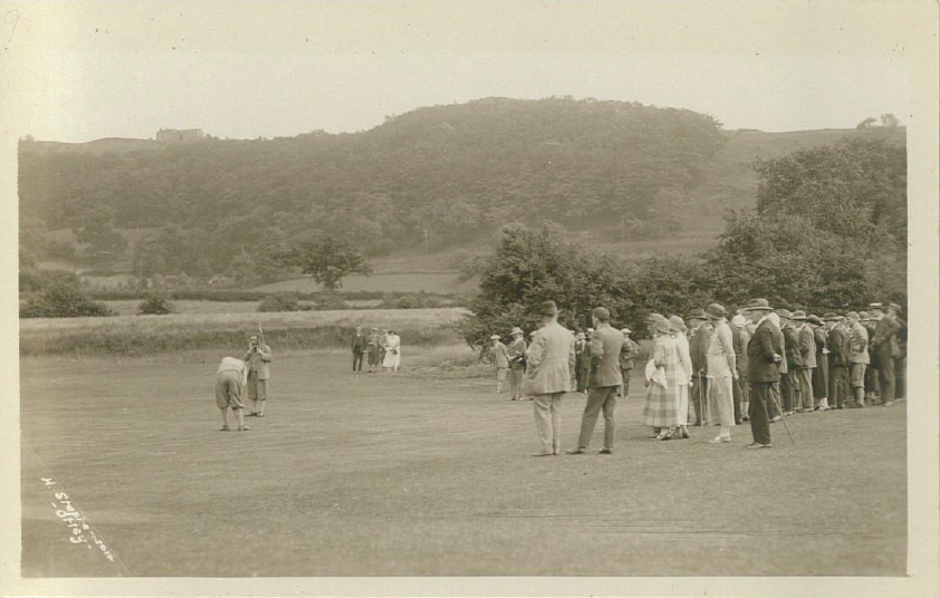
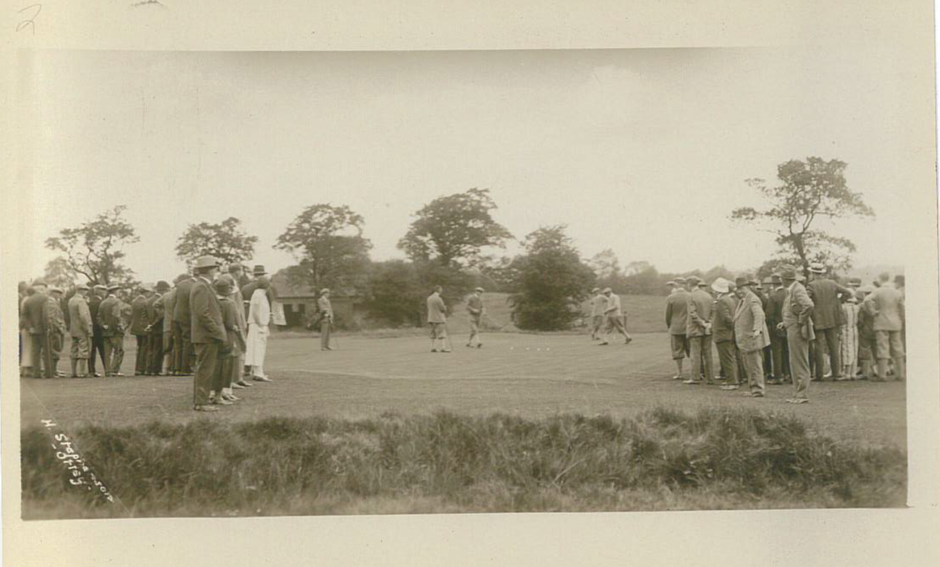
In the 1950s, competitions such as the L. A. Wood Trophy and F. L. Dixon Trophy were introduced. The club celebrated its 50th anniversary in 1956 with three consecutive days of Open competitions for men, women and mixed teams, followed by a Jubilee Dinner.
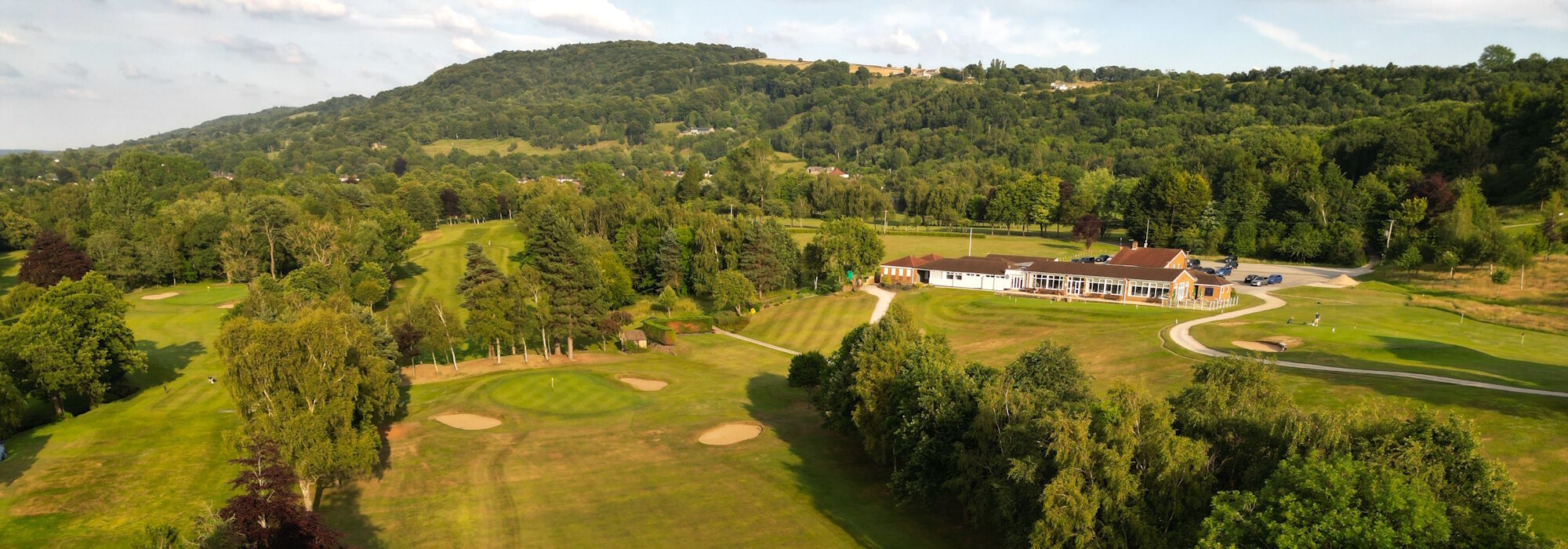
By the 1960s, the need for a more centrally located clubhouse led to a course reconfiguration and the opening of a new clubhouse in January 1966. The Past Captains of the Women’s Section donated a new trophy to mark the occasion. Over the next 15 years, further improvements were made to make the most of the club’s spectacular views across the Wharfe Valley and the Dales.
The 1980s marked the club’s 75th anniversary and its move from the Bradford Golf Union to the Harrogate Union. Professional golfer Mark James requested to use the club’s practice facilities and became its Tournament Professional. He later captained the European Ryder Cup team in 1999. The decade also saw investment in the course following damage from extreme weather and the formation of The Bandits – a group of retired members playing social golf and welcoming new faces.
Recent History: 2000–2019
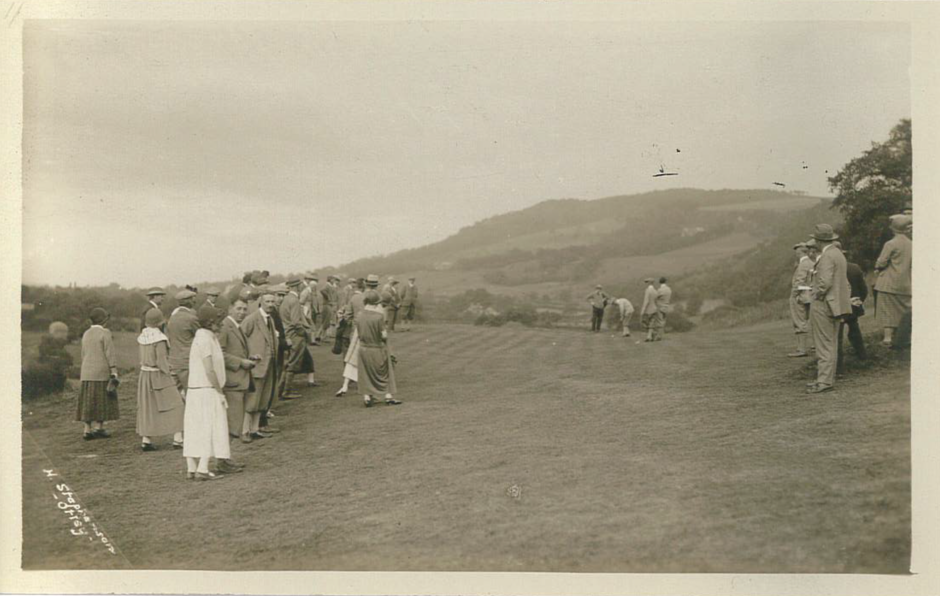
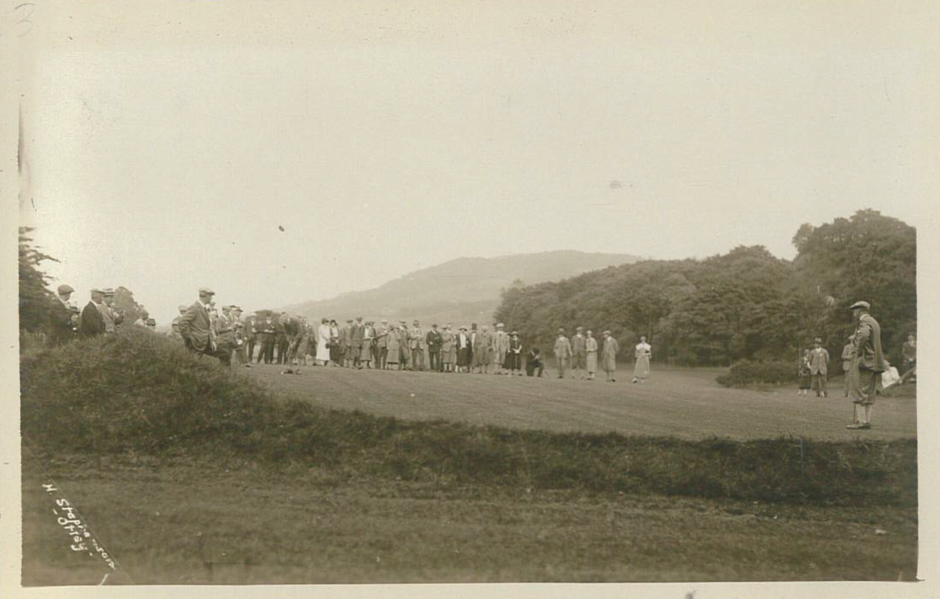
In the years following the Millennium, Otley Golf Club continued to invest in its facilities. The lounge, dining room, and kitchen were modernised, a new toilet block was installed on the course for player convenience, and the terrace was extended to make the most of the spectacular views. These upgrades helped set the stage for our Centenary Celebrations in 2006, which included two weeks of golf and a Gala Dinner so popular it had to be held over two nights.
In 2010, the role of Club President was opened up to both men and women. Alongside this, the traditional Captaincy role was updated to include both a Men’s and Women’s Captains and Vice Captains, reflecting a more inclusive approach to club leadership. In 2019, Mrs Winifred Varley made history as the first female Club President.
2019–2025: A Time of Transformation
The years following 2019 brought significant change and modernisation:
Club Governance
Members voted for the Club to become a Limited Company, following best practice advice from England Golf. This marked a major shift in governance and offered a chance to streamline and future-proof the way the Club is led and managed.
Facility Improvements
A VAT refund windfall was wisely reinvested into refurbishing the Lounge and Dining Room, continuing the Club’s tradition of maintaining high-quality member and visitor facilities.
Covid-19 and Club Resilience
The Covid-19 pandemic led to the temporary closure of the Club for the first time in its history – not even two World Wars had caused such disruption. During this time, the management team used the opportunity to review and refine internal structures, ensuring the Club emerged stronger, more agile, and well-positioned for the future.
Sustainability and Environmental Commitment
The 2020s have also seen a growing awareness of the Club’s environmental responsibilities. Measures taken include:
- Installation of solar panels to power the clubhouse and reduce reliance on traditional energy sources.
- Course maintenance changes, including reduced pesticide use and the development of wild, natural areas to encourage biodiversity.
Environmental stewardship is expected to play an increasingly important role in the way the course is managed in the coming years.

OTLEY GOLF CLUB LIMITED
West Busk Lane, Otley, Leeds, LS21 3NG
Club:
01943 465329
Email:
office@otleygolfclub.co.uk


Created by intelligentgolf version 10.1.2.